
h2
SenseCAP Card Tracker quick verdict: SenseCAP Card Tracker T1000-E — recommended if you want a mesh-ready, no-subscription LoRa/GPS card; skip it if you need a turnkey cellular tracker with cloud service.
Price & availability: $94.93 (was $100.55) — In stock on Amazon as of 2026. This article contains affiliate links; I may earn a small commission if you buy through those links.
Amazon data shows this product is rated 4.4/5 on Amazon from a selection of verified buyers (see customer reviews below for specifics). Target use-cases: Meshtastic users, long-range low-power mesh, and outdoor navigation.
- Buy if: you want an open-source Meshtastic node with integrated GPS and multi-radio support for field deployments.
- Skip if: you need a plug-and-play cellular tracker with cloud subscription or you don’t want to tinker with firmware/antenna choices.
This image is property of Amazon.com.

h2
Product Overview: SenseCAP Card Tracker T1000-E at a glance
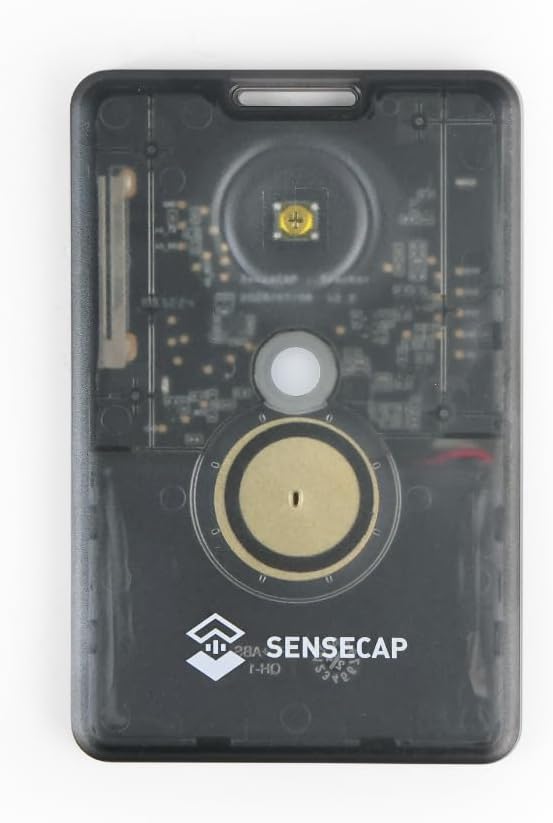
The SenseCAP Card Tracker is a compact card-style tracking module built around the nRF52840 application processor and LR1110 LoRa radio. It supports global ISM LoRa bands in the 863–928 MHz range and includes Bluetooth 5.0, Thread and Zigbee radios for multi-protocol use.
Key specs summary:
- MCU/radio: nRF52840 + LR1110
- LoRa: 863–928 MHz (global ISM bands)
- Bluetooth: Bluetooth 5.0
- GPS: Mediatek AG3335
- Interfaces: Four pogo pins (USB DFU/serial/API)
Price & availability recap: list price $94.93 (original price $100.55) and In stock on Amazon — remember the Amazon listing currently shows the discounted price of $94.93. You can also check the manufacturer’s SenseCAP pages for technical downloads and firmware (see manufacturer link below).
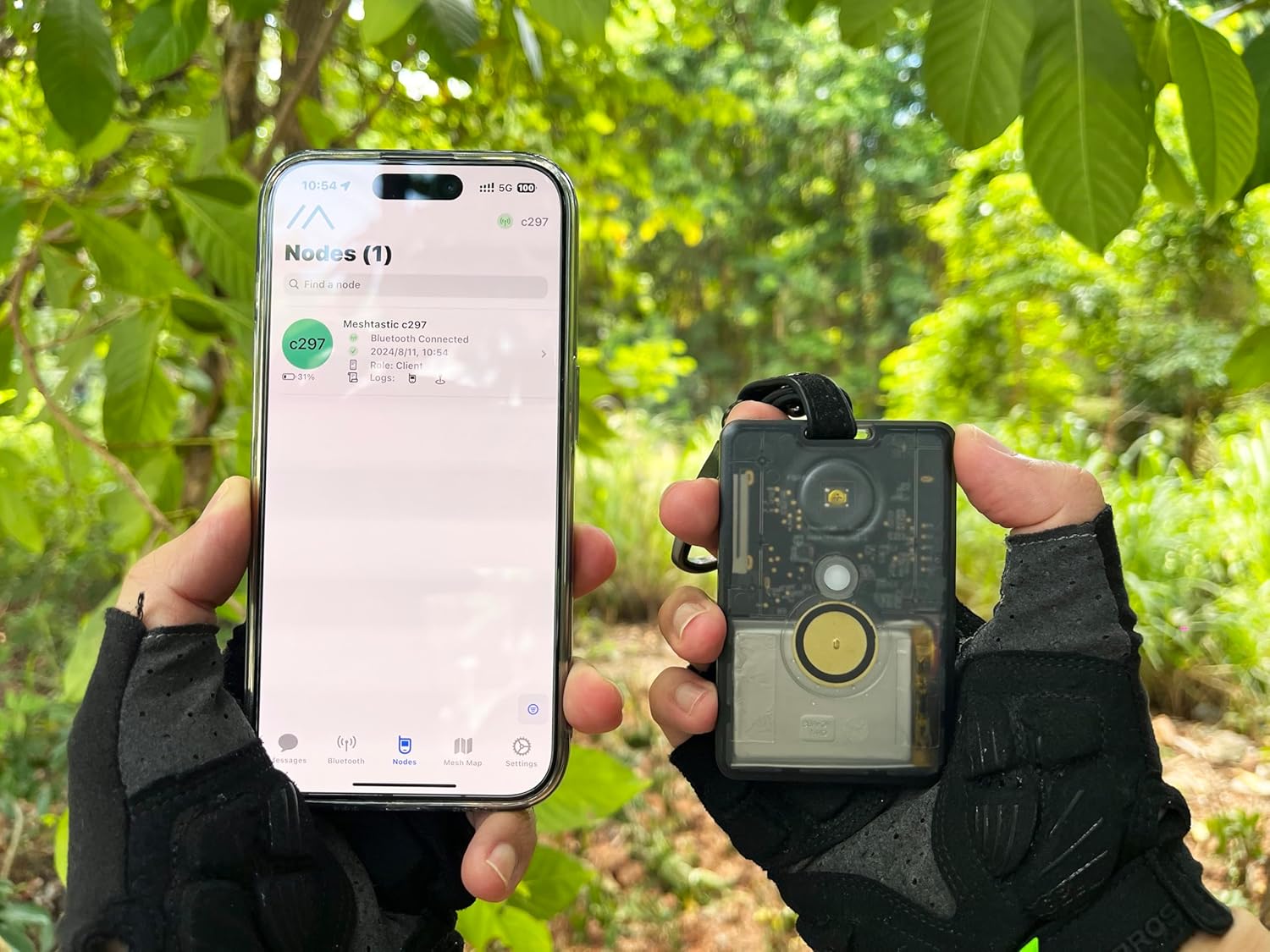
Open-source compatibility: The device ships compatible with the Meshtastic open-source mesh protocol, which means you can flash Meshtastic firmware, customize settings, and benefit from community tools for routing, telemetry, and logging. Meshtastic support also means regular community-driven firmware updates and plugins are available — useful if you want to adapt the card for sensor data or special reporting formats.
Hardware callout — verifiable specs:
- nRF52840 (ARM Cortex-M4, BLE/Thread/Zigbee capable)
- LR1110 LoRa radio covering 863–928 MHz
- Mediatek AG3335 GPS chip for positioning
Actionable step — check before buying: verify the LoRa region you’ll operate in and select that region in the Meshtastic app to comply with local regulations and to ensure correct frequency/sub-band use. Also decide on antenna type (external vs internal) based on expected coverage and purchase a compatible antenna if extended range is required.
Manufacturer product page: Seeed Studio / SenseCAP.
h2
SenseCAP Card Tracker: Key features deep dive
The SenseCAP Card Tracker combines an nRF52840 host MCU and an LR1110 LoRa front-end to deliver multi-protocol connectivity with GPS positioning. Below I break the radios, GPS, expandability, power expectations and open-source security into practical detail so you know what to expect in the field.
Radios and why region selection matters
The card uses the nRF52840 for Bluetooth 5.0, Thread and Zigbee stacks and the LR1110 as the LoRa modem. The LR1110 supports LoRa across the 863–928 MHz ISM band — this covers most global LoRa bands but regulatory sub-bands differ (EU868 vs US915 vs AS923). Selecting the correct region in Meshtastic ensures the device uses legal sub-bands and correct channel plans, which affects range and interoperability with other nodes.
GPS performance (Mediatek AG3335)
The Mediatek AG3335 is a modern GNSS-capable chip. Manufacturer specs commonly list single-digit meter accuracy under open-sky conditions; expect:
- Typical accuracy: ~2–5 m in open sky (real-world varies with antenna and environment)
- Cold start: can take 30–90 seconds depending on satellite almanac and view of sky
- Hot start: typically