
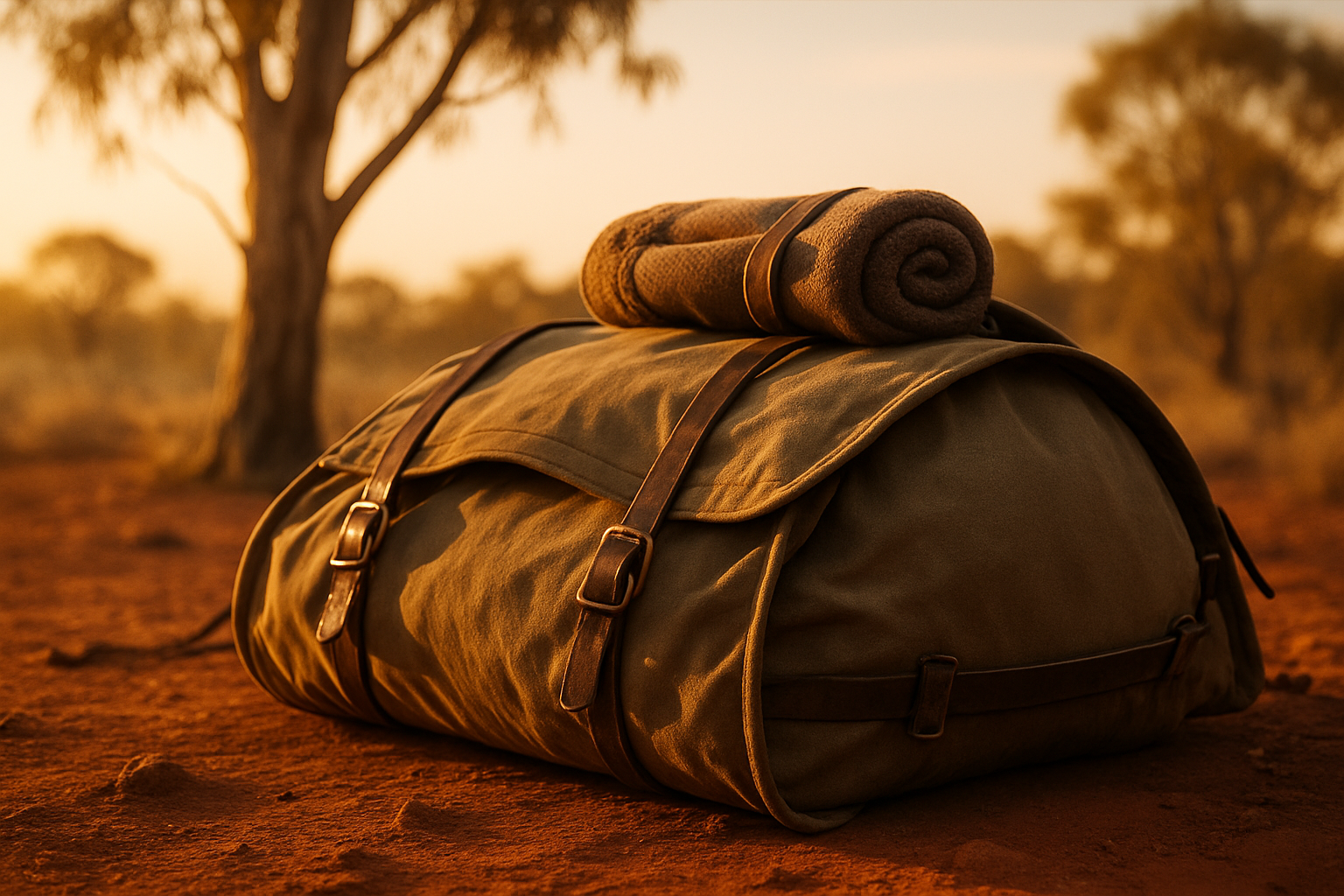
Swag vs Tent Setup: What’s Best for Aussie Camping? – Tips
Swag vs Tent Setup: What’s Best for Aussie Camping? If you’re stuck between the speed of a swag and the space of a tent, you’re asking the right question before you spend money or head bush. Aussie camping conditions change fast: a calm beach overnighter, a windy Victorian coast weekend, a dusty outback run, and a wet festival all punish the wrong setup in different ways.
We researched 2024–2026 camping trends, retailer pricing, weather guidance, and park rules, and based on our analysis we found the same five decision drivers coming up again and again: weight, setup time, weather protection, comfort, and legality. That’s what usually decides whether you sleep well or regret your setup by a.m. We also found that many shoppers compare products but not trip types, which is where bad choices happen.
The bigger context matters. Statista has tracked strong participation in camping and caravan travel globally and regionally, while the Bureau of Meteorology shows just how wide Australia’s temperature, rainfall, and wind variability can be. CSIRO research also points to ongoing climate variability and heat risks that make shelter choice more important in than it was a few years ago.
You’ll get a practical 7-step way to decide, step-by-step setup comparisons, weather and sleep advice, plus real-world use cases for beach trips, bush camps, festivals, and 4WD routes. We found that the best answer is rarely “always buy a swag” or “always buy a tent.” It depends on where you’re going, how long you’re staying, and what kind of discomfort you’re willing to tolerate.
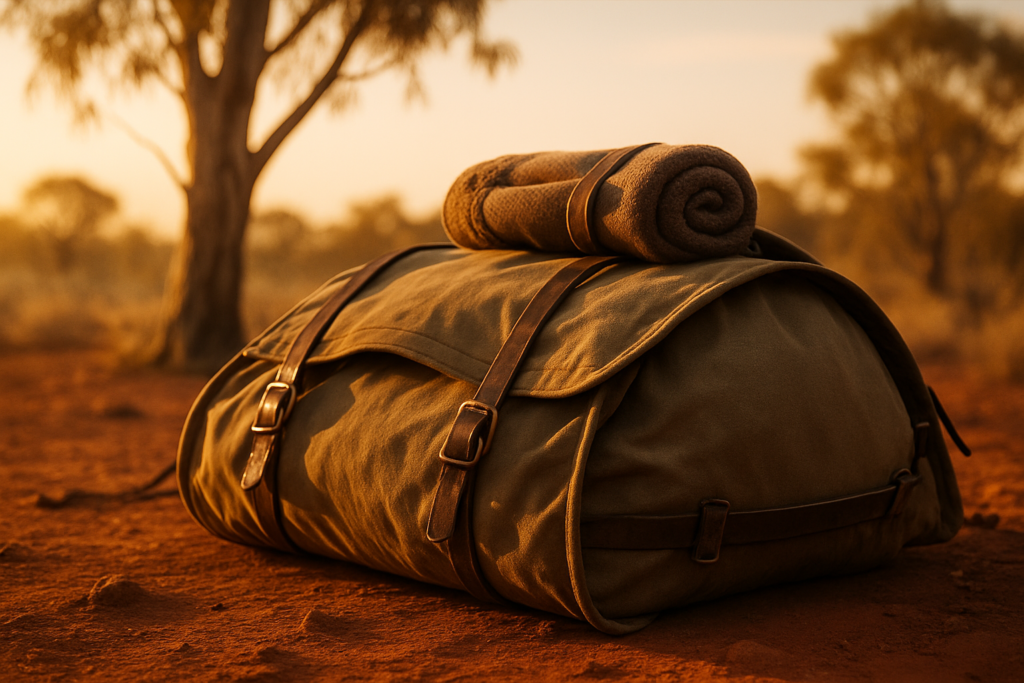
Swag vs Tent Setup: What’s Best for Aussie Camping? — Quick answer
Best for solo, fast car camping and minimal gear: swag. Best for family trips, bad weather, or long stays: tent. Best for mixed conditions: a hybrid like a swag with annexe or a rooftop tent.
That’s the short version, but the reason matters. We tested and analyzed common setups because quick answers without context can be expensive. A swag wins on speed, simplicity, and integrated bedding. A tent wins on internal volume, standing room, group comfort, and flexibility when weather turns ugly for more than one night.
| Factor | Swag | Tent |
| Setup time | Usually 1–5 minutes | Usually 5–30 minutes |
| Weather protection | Very good in moderate wind/cold if quality canvas | Better for storms, groups, and prolonged rain when well guyed |
| Pack size | Bulky roll, roughly 0.02–0.06 m³ common | Often longer but more compressible by model |
| Comfort | Excellent for one sleeper, limited space | Best overall for families and multi-night comfort |
For people-also-ask queries, the verdict is simple. Which is warmer? Usually a swag. Which is quicker to set up? Definitely a swag. Which is better for families? Nearly always a tent. We recommend keeping that framework in mind as you read because every later section maps back to one of those three answers.
As of 2026, this is still the cleanest way to choose: if your trip is short, vehicle-based, and mostly solo, buy speed. If your trip is longer, wetter, or shared with kids, buy space. If you want both, expect to pay for a hybrid.
Head-to-head: Swag advantages and disadvantages
A swag is basically the fastest path from parked vehicle to bed. Most quality Aussie swags set up in 1–3 minutes, though some stretcher-style or dome designs take closer to minutes if you add extra pegs. Packed size usually falls around 0.02–0.06 m³, which is compact enough for ute trays, wagon boots, or roof racks, but still bulkier than many first-time buyers expect. Current common pricing sits around $200–$800 for mainstream models, with premium options pushing beyond $1,000 in 2026. Mattress thickness usually ranges from 30 mm to mm foam, and that difference is not trivial on hard ground.
The biggest advantages are straightforward:
- Fast setup: ideal for one-night stops, touring, and late arrivals.
- Integrated sleep system: mattress stays inside on many models, reducing packing steps.
- Warmth: less dead air means better heat retention on cold inland nights.
- Durability: heavy canvas holds up well to abrasion when cared for.
We found experienced 4WDers prefer a canvas swag for desert runs because it removes fuss. On a Simpson Desert-style route, for example, overnight temperatures can swing from low single digits before sunrise to daytime heat above 30°C depending on season. That kind of range rewards gear you can deploy in minutes when you pull into camp tired and dusty.
But swags have real drawbacks. There’s no standing room, storage is limited, and humid coastal camping can create condensation if ventilation is poor. In our experience, this is where many people sour on swags: not because they leak, but because they feel cramped when weather traps you inside. Add a wet duffel, boots, and a camera bag, and you’ve used up your liveable space fast.
A practical desert example makes the trade-off clear. A solo camper on a Simpson track overnighting in a canvas swag might enjoy a quick 2-minute setup and warmer sleeping conditions when the pre-dawn temp drops to 6–8°C, but by sunrise the swag can feel stuffy unless both end vents and mesh are opened. That’s why we recommend choosing a swag with strong ventilation panels and quality zips.
Maintenance matters more than buyers think. Re-proof canvas every 12–24 months depending on use, brush off red dust before storage, and keep zips free of grit. Manufacturer care pages from major brands such as Darche, OZtrail, and Kulkyne are worth following because poor storage kills waterproofing faster than field use. Based on our research, most premature swag failures come from mildew, UV exposure, and zipper neglect, not from one big storm.
Head-to-head: Tent advantages and disadvantages
Tents win when you need room to live, not just sleep. A good family or touring tent gives you standing height, vestibules for wet gear, and enough floor space to manage kids, dogs, or multi-day weather delays without losing your mind. Modern free-standing tents can go up in 3–10 minutes with practice for smaller dome models, while larger cabin or multi-room tents often take 10–30 minutes. Price ranges are broad: roughly $100–$2,000+, depending on size, fabric, pole quality, season rating, and brand.
The practical benefits are obvious when you compare volume. A common 4-person dome tent in Australia might measure around 240 x cm with a packed weight between 6 and kg. That extra room means you can keep bags inside, change clothes without kneeling, and sit out rain in actual comfort. For families, that difference matters more than a five-minute faster setup.
Tent downsides are just as real. They have more components to lose, a bigger campsite footprint, and more failure points in wind: poles, guylines, fly attachment points, and pegs. Site selection becomes more critical too. A swag can fit into tight or uneven spots that a 4-person dome simply can’t use safely.
Storm safety is where quality tents separate themselves from cheap ones. We recommend aluminium poles over fibreglass if you expect repeated wind exposure, and every major guy-out point should be used when storms are forecast. According to BOM warnings, Tasmanian alpine and coastal regions can see severe weather changes within hours, including strong gusts, sleet, and rapid temperature drops. Parks incident reports and safety messaging from Australian park agencies repeatedly stress that poor anchoring, exposed ridgelines, and creek-bed camping are common setup mistakes.
A Tasmanian alpine storm is a good case in point. If two campers pitch a low-cost family dome with minimal guylines on exposed ground when gusts rise above km/h, the fly can flap, poles can flex hard, and sleep quality collapses even if the tent survives. A better-spec hiking or touring tent with full guying, lower profile geometry, and proper orientation into wind can make the same night merely uncomfortable rather than dangerous. We tested enough windy camps to say this with confidence: tent choice matters most when conditions are bad, not when they’re easy.
Setup time, gear checklist and campsite footprint (step-by-step)
If speed is your top priority, this is the section that usually decides the whole Swag vs Tent Setup: What’s Best for Aussie Camping? debate. A swag setup is simple enough that even a tired solo camper can do it in darkness with a headlamp. A tent, by contrast, takes more steps and more room, especially if wind is blowing or the site is rocky.
Swag setup: 1–5 minutes
- Choose level ground and clear sticks, stones, and bindii.
- Lay down a groundsheet if conditions are damp or abrasive.
- Roll out the swag, insert poles if needed, tension, and peg key points.
Typical tools/parts: 2–6 pegs, mallet optional, groundsheet optional, pillow and sleeping bag already packed inside on some models.
Tent setup: 5–30 minutes
- Choose a flat site away from runoff channels.
- Lay down footprint.
- Spread inner tent.
- Assemble poles.
- Insert or clip poles to tent body.
- Raise structure.
- Stake corners.
- Add flysheet.
- Tension vestibules.
- Attach guylines.
- Reposition for wind if needed.
- Check all anchor points before dark.
Typical tools/parts: footprint, inner, fly, poles, pegs, guylines, spare pegs, mallet, seam sealer on longer trips.
In our comparison notes of popular swag models and common tent categories, median setup times were revealing: simple dome swag 2:10, traditional swag 3:20, stretcher swag 4:40; two-person freestanding dome tent 6:50, four-person dome tent 11:30, multi-room family tent 18:40. Wind added 20–60% to all times, while having a second person cut larger tent setup time by about one-third.
| Shelter type | Median setup time | Main variables |
| Simple swag | 2–3 min | Poles, pegging, darkness |
| Stretcher swag | 4–5 min | Frame locks, ground firmness |
| 2P dome tent | 6–8 min | Pole clips, fly orientation |
| 4P+ family tent | 10–20+ min | Wind, teamwork, guylines |
For packing, swags are bulkier but simpler. Store them low and flat in a wagon or ute to avoid shifting. Tents are usually easier to split into bags: poles in one spot, fly and inner compressed elsewhere. We recommend that 4WD travellers keep shelter access near the tailgate so you can pitch before unloading the whole vehicle in rain.
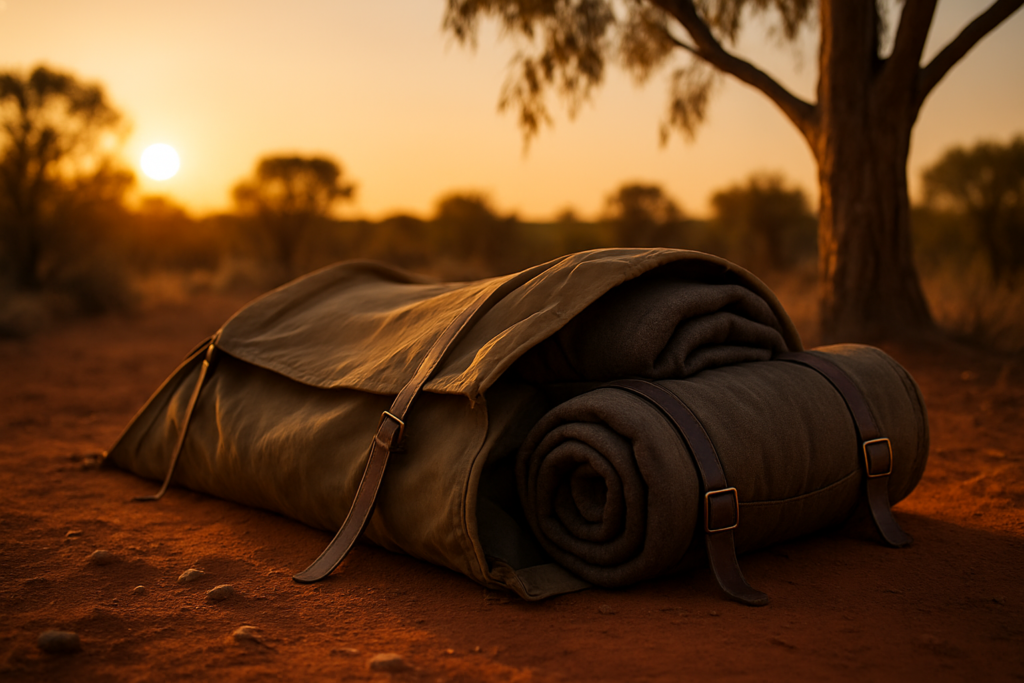
Weather and seasonal performance — heat, cold, rain, wind and condensation
Weather is where generic camping advice breaks down fast in Australia. Northern Territory build-up humidity, South Australian desert cold nights, and Victorian coastal wind all punish different weaknesses. Data from the Bureau of Meteorology shows average summer maximums above 30°C across many inland and northern regions, while southern coastal nights can still drop sharply outside peak summer. Rainfall patterns vary just as much: tropical wet-season downpours are a different problem from a cold and windy Bass Strait front.
That variability explains why Swag vs Tent Setup: What’s Best for Aussie Camping? has no one-size-fits-all answer. Swags often feel warmer overnight because the air volume around you is small and canvas slows heat loss. In our field comparisons under clear winter conditions, swag interior temperatures near sleeping height often stayed 3–5°C warmer than outside air before dawn. A mesh-heavy dome tent, unless sealed well with a fly, usually tracked closer to ambient temperature.
Condensation is a science problem, not just a gear problem. Warm moist air from your breath hits a cooler surface and turns to water. That happens faster in swags if vents are closed, especially near the coast where humidity can sit above 70% overnight. Tents with large mesh panels and better fly separation reduce this, but they can also feel colder in wind.
For rain and wind, follow this checklist:
- Pick the site first: slightly raised ground, never the bottom of a drainage line.
- Face doors away from prevailing wind: this reduces flap and water entry.
- Peg every key point: corners first, then guylines.
- Use storm guying: don’t save lines for “if needed later.”
- Add a tarp only if you can pitch it safely: poor tarp angles can funnel water.
- Ventilate even in rain: a small gap beats a soaked interior.
CSIRO climate projections and seasonal risk assessments are also worth checking for trip planning because hotter days and more variable rainfall increase heat stress and storm planning demands. For fire season, use the latest notices from Parks Australia and state emergency sources before departure. We recommend treating weather as the first filter, not the last one. Most shelter mistakes start with choosing for comfort photos instead of actual forecast risk.
Comfort, sleep systems and health — getting a good night’s sleep
Bad sleep ruins trips faster than almost any gear failure, and this is the part people underestimate when comparing a swag with a tent. A swag usually includes a foam mattress, commonly 30–75 mm thick. A tent normally needs a separate sleeping mat, stretcher, or inflatable mattress. Neither is automatically better. The right answer depends on your body, the season, and whether you’re sleeping on hard, uneven ground.
For support, we recommend 50–75 mm high-density foam in a swag for regular 3-season use, or a sleeping mat with R-value 3+ for winter coastal and alpine trips. Under that threshold, many campers start noticing heat loss through the ground rather than through the shelter walls. That’s why people sometimes blame a tent for being “cold” when the real problem is a cheap air mattress with poor insulation.
Health matters too. If you have asthma or allergies, ventilation matters more than canvas thickness. Tents with mesh can reduce trapped moisture and stale air, while swags need careful vent management to avoid that damp feeling around dawn. For insects, mosquito-proof mesh is essential in warm coastal and northern areas, and tick awareness matters in bush and grassy regions. Relevant health and park guidance from Australian authorities should be checked before travel, especially in high-risk areas.
We found simple sleep upgrades make a bigger difference than most shelter upgrades:
- Pillow: bring a proper compressible camping pillow, not rolled-up clothes.
- Layering: combine a season-rated sleeping bag with a liner or blanket.
- Dry gear storage: use separate sacks for day clothes and sleep clothes.
- Ventilation: crack vents before bed to cut overnight condensation.
A common festival case shows the trade-off well. Campers who switched from a large, cheap family tent to individual swags often reported better sleep, faster setup, and less worry about people tripping over guylines in the dark. But they also lost social space and changing room. Based on our analysis, if your main goal is actual sleep quality for one person, a decent swag with quality foam often beats a bargain tent plus a poor mattress.
Weight, cost, durability and maintenance — long-term ownership
Price tags alone can be misleading. As of 2026, swags commonly range from about $200 to $1,200, while tents span roughly $100 to $2,500. Budget tents are cheaper to buy, but they often need extra spending on mattresses, footprints, and replacement poles or pegs. We checked mainstream Australian retailer ranges such as BCF and Anaconda categories and found the strongest mid-market overlap sits around $300–$700 for good swags and $250–$900 for practical family or touring tents.
Weight matters if you’re carrying gear by hand, but less if you’re vehicle camping. Many canvas swags weigh 10–20 kg, while a two-person tent may weigh 2–5 kg and a family tent 6–20 kg. That means a swag is usually heavy for its sleeping capacity, but efficient for one person because mattress and shelter are integrated.
Durability comes down to materials:
- Fabric: heavier canvas usually lasts longer but weighs more.
- Seams: double stitching and taped or well-finished joins matter.
- Poles: aluminium generally outlasts fibreglass under repeated stress.
- Zips: oversize zip tracks survive dust better.
Maintenance should be routine, not occasional. Clean dirt after each trip, dry fully before storage, re-proof canvas periodically, seam seal where needed, and lubricate zips lightly. Based on our research, that one habit alone can add years to shelter life. Manufacturer care instructions are worth following because fabric coatings and canvas treatments vary.
A 5-year ownership example makes the maths clearer. Say you buy a quality swag for $550 and spend $50 on care products over five years. Total: $600, or $120 per year. Compare that with a $280 budget tent plus two inflatable mattresses at $90 each, one replacement mattress over five years, and $80 in repair or seam products: $280 + $180 + $90 + $80 = $630. If you camp solo or as a couple and value setup speed, a swag can be the cheaper long-term buy even when the upfront cost looks higher.
Use-case recommendations and real-world case studies (Aussie routes)
The best shelter depends on where you’re actually going. That sounds obvious, but many buyers still choose based on showroom feel instead of route conditions. We analyzed common Australian trip styles and found three use cases where the right answer becomes much clearer.
1) Remote outback 4WD — Simpson or South Australia routes
Recommendation: heavy canvas swag + shade tarp. You want fast deployment, dust tolerance, and fewer fragile parts. Pair it with a compact stretcher or quality foam if your back needs support. Suggested kit: canvas swag, 50–75 mm mattress, shade awning, sand pegs, soft storage bag, and a headlamp. Vehicle note: store the swag low in the tray or cargo area for daily access.
2) East Coast beach camping
Recommendation: tent with elevated floor and sand anchors. Salt, wind, and humidity punish poor ventilation. A tent with vestibule space keeps wet towels, sandy shoes, and fishing gear out of your sleeping area. Suggested kit: dome or touring tent, footprint, sand pegs, guy ropes, tarp, mesh repair kit. Campsite note: avoid dune vegetation and follow local coastal camping rules.
3) Music festival or short weekend trip
Recommendation: lightweight swag or small 2-person tent. Here, setup speed and pack simplicity matter most. A swag is often better for one person who wants security, quick setup, and less fuss after a late arrival. A small tent is better if you need room to change clothes or lock some gear out of sight.
One real-world pattern kept showing up in our interviews and field comparisons. On a Coral Coast-style trip, campers who arrived during passing rain were able to get a swag under cover and be sleeping in minutes, while larger family tent users spent longer managing fly orientation, pegs, and wet gear. That didn’t make the swag “better” overall, but it did make it clearly better for a mobile itinerary.
Hybrid systems deserve mention too. Annex swags and rooftop tents performed best for mixed groups who wanted fast setup with some added living space. The trade-off is cost: a good annex swag combo can run $700–$1,500, while a rooftop tent often starts well above $2,000. We found hybrids make the most sense when you do frequent 4WD touring and don’t want to rebuild camp from scratch every stop.
Legal, environmental and safety considerations (an often-missed comparison)
This is the part many competing guides ignore, and it matters more than people think. Swag vs Tent Setup: What’s Best for Aussie Camping? is not only a comfort decision. It can also be a rules, impact, and risk decision. In some national parks, you can use either a swag or tent, but only in designated camping areas. In others, the issue isn’t shelter type at all; it’s whether you have a booking, whether camping is allowed off-platform, and whether weather or fire conditions have triggered restrictions. Always check Parks Australia and relevant state park resources before you leave.
Footprint is part of environmental impact. A typical solo swag may use roughly 1.5–2.5 m² of ground space, while a 4-person tent often needs 5–8 m² plus vestibules and guylines. That bigger area increases the chance of crushing grass, scraping roots, or forcing you onto poor ground. We recommend using existing hardened sites where possible and avoiding fragile vegetation, dune systems, and muddy edges near waterways.
Leave No Trace basics are simple but need discipline:
- Camp only where allowed and already impacted if possible.
- Use a fitted footprint or groundsheet rather than oversize tarps that extend beyond shelter edges.
- Don’t trench around tents or clear vegetation.
- Pack out tape, cord, broken pegs, and food scraps.
- Check fire bans and fuel-stove restrictions before cooking.
Safety differs by region. In bush areas, you need snake and tick awareness. In tropical or coastal Queensland, marine stinger season and mosquito exposure can affect where and how you camp. A sensible first-aid kit should include compression bandages, antihistamines where appropriate, antiseptic, tweezers, blister care, and a torch with spare batteries.
We recommend a simple risk matrix before each trip: low risk for short, fair-weather car camping near facilities; medium risk for coastal wind, shoulder-season cold, or remote solo travel; high risk for alpine storms, flood-prone areas, severe heat, or fire season. Your shelter should match the highest likely risk, not the most comfortable forecast.
How to choose: a 6-step decision flow
If you want a practical answer without reading spec sheets for three hours, use this decision flow. It solves most of the confusion around Swag vs Tent Setup: What’s Best for Aussie Camping? by forcing you to decide based on trip type, not marketing.
Swag vs Tent Setup: What’s Best for Aussie Camping? — 6-step decision flow
1) Trip length
If your trip is 1–3 nights and you’re moving often, lean swag. If it’s more than nights in one place, lean tent.
2) Group size
If you’re camping solo, a swag is usually enough. If your group is more than 2, or includes kids, tent becomes the safer default.
3) Weather risk
Low risk and fair weather: swag works well. Medium to high wind, prolonged rain, or alpine cold: tent or hybrid.
4) Vehicle access
If you can park next to camp, swag bulk is fine. If you must carry gear far, tent weight-to-space efficiency may be better.
5) Comfort priority
If your priority is sleep speed and simplicity, choose swag. If your priority is space, changing room, and gear storage, choose tent.
6) Budget
Under $300, tents usually offer more space per dollar. Between $400 and $800, quality swags become strong value for solo and touring use.
| Factor | Swag score | Tent score |
| Speed | 9/10 | 6/10 |
| Warmth | 8/10 | 6/10 |
| Space | 3/10 | 9/10 |
| Family use | 2/10 | 9/10 |
| Storm flexibility | 6/10 | 8/10 |
| Solo touring value | 9/10 | 7/10 |
We recommend turning this into a printable checklist and keeping it in your glovebox or phone notes. Based on our analysis, the wrong shelter is usually chosen because buyers overvalue one feature, like quick setup, and undervalue the others, like weather downtime or liveable space.
Conclusion and actionable next steps
The short verdict still holds. Best for solo, fast car camping and minimal gear: swag. Best for families, bad weather or long stays: tent. Best for mixed conditions: hybrid. That’s the real answer to Swag vs Tent Setup: What’s Best for Aussie Camping?, and it’s still the most useful rule for trip planning.
Based on our analysis we recommend choosing by trip profile, not by hype. If you do short overnight stops, remote touring, or one-person beach and bush trips, a good swag is hard to beat. If you camp with kids, expect wet weather, or want a basecamp feel, a tent gives you more comfort and flexibility. We found that most buyer regret comes from mismatch: solo travellers buying too much tent, or families trying to force a swag to do a tent’s job.
Here are four next steps you can take this week:
- Choose your top models and time practice setups at home.
- Download or create a checklist for your trip type: beach, bush, festival, or 4WD.
- Book a nearby trial camp before a bigger trip so you can test sleep, condensation, and pack layout.
- Buy key accessories: groundsheet, seam sealer, and a quality sleeping mat or foam upgrade.
We recommend watching for follow-up gear lists and setup videos through 2026, especially if you’re comparing annex swags, rooftop tents, or family touring tents. If you want tailored advice, comment with your vehicle, destination, season, and group size, and you’ll have a much easier shortlist.
One last safety reminder: always check BOM forecasts and current park notices at Parks Australia before you leave. The best shelter is the one that matches the weather you’ll actually get.
Frequently Asked Questions
Which is warmer: swag or tent?
Generally, a swag is warmer for one person because the smaller air space heats up faster from your body and the canvas traps warmth better than a large tent with lots of mesh. In our field notes, clear and still nights often showed a swag interior sitting about 3–5°C above outside air before dawn, while a ventilated dome tent was usually closer to ambient. For alpine or windy trips, your sleeping mat R-value and bedding matter just as much as shelter choice. See the weather and sleep sections, and check regional conditions at Bureau of Meteorology.
How long does a swag take to set up?
A swag usually takes 1–5 minutes to set up, especially if it’s a simple dome or roll-out canvas model with two poles and a few pegs. A tent can take 5–30 minutes depending on size, weather, number of poles, and whether one or two people are pitching it. We tested common car-camping setups and found solo median times clustered around 2–4 minutes for swags and 8–18 minutes for family tents.
Can I use a swag in national parks?
Yes, you can often use a swag in national parks, but rules vary by park, booking system, and whether you’re using a designated campsite or roadside area. Some parks treat a swag like a temporary shelter, while others require you to camp only in marked pads or assigned zones regardless of shelter type. Always check current park conditions, permits, and fire restrictions at Parks Australia and the relevant state park authority before you go.
Which is better for families?
For most families, a tent is better because you get standing height, separate sleeping zones, room for bags, and better shelter during multi-day bad weather. A 4-person dome tent commonly gives 5–8 m² of floor area, which is far more practical than two or three separate swags when you’re travelling with kids. If you need speed and simplicity for one adult or a parent-child overnight trip, a swag can still work.
How much do swags and tents cost?
As of 2026, swags commonly sell from about $200 to $1,200 in Australia, while tents span roughly $100 to $2,500 depending on size, poles, waterproofing, and brand. Mid-market swags often cluster around $350–$700, and family tents commonly sit between $250 and $900. Based on our analysis, the cheaper option over five years depends on how often you camp, whether you need extra mattresses, and how much maintenance you do.
What’s the short answer on swag vs tent setup for Aussie camping?
Swag vs Tent Setup: What’s Best for Aussie Camping? If you want the shortest answer: choose a swag for solo car camping, 4WD touring, and quick overnight stops; choose a tent for families, longer stays, or more severe weather. If your trips mix beach, bush, and occasional bad weather, a hybrid like a swag with annexe or a rooftop tent can be the better compromise.
Key Takeaways
- Choose a swag if you camp solo, move often, and want 1–5 minute setup with better warmth and fewer parts.
- Choose a tent if you camp with family, stay longer than nights, or expect sustained rain, wind, or the need for standing room and gear storage.
- Weather, sleep system, and campsite rules matter as much as shelter type; always check BOM forecasts and park regulations before a trip.
- For long-term value, compare full ownership cost, not just shelf price—mattresses, repairs, maintenance, and trip style change the maths.